نقل الخضروات الحيوية 2025 – كيف تحافظ سلاسل التبريد الحديثة على المنتجات العضوية طازجة ومستدامة
تحديث: ديسمبر 23, 2025
إن الحفاظ على الخضروات العضوية مقرمشة ومغذية من المزرعة إلى المائدة هو أكثر من مجرد "الحفاظ على برودة الأشياء". يتضمن النقل السليم للخضروات الحيوية ممرات دقيقة لدرجة الحرارة, التحكم في الرطوبة, والأدوات الرقمية المتقدمة لمنع التلف وخفض الانبعاثات.
في 2025 سوق سلسلة تبريد الأغذية يستحق حوالي 65.8 مليار دولار أمريكي والوصول إلى الخدمات اللوجستية لسلسلة التبريد العالمية 436 مليار دولار أمريكي. بعد تقريبًا 526 مليون طن من الطعام - حول 12 % من الإنتاج العالمي - لا تزال تُفقد سنويًا بسبب عدم كفاية سلاسل التبريد. يوضح لك هذا الدليل كيف يمكن للوجستيات الخضروات الحيوية الحديثة أن تعكس هذا الاتجاه.
سيجيب هذا المقال:
لماذا سلسلة التبريد حاسمة بالنسبة للخضروات الحيوية? – فهم كيف أن درجات الحرارة والرطوبة المناسبة تمنع التلف وتحافظ على العناصر الغذائية.
ما الذي يدفع تكلفة نقل الخضروات الحيوية? - تعرف على سبب الشهادة, إن سلاسل التوريد المجزأة والبنية التحتية غير الكافية تجعل المنتجات العضوية باهظة الثمن.
كيف تعمل ممرات درجة الحرارة ومعايير الجودة? – اكتشف إعدادات المسار العملي والمعايير التي تمنع الجفاف, التكثيف والكدمات.
ما هي التقنيات التي تقلل من الهدر والتكاليف؟? - اكتشف الذكاء الاصطناعي, blockchain, حلول إنترنت الأشياء والطاقة المتجددة يمكنها خفض التكاليف اللوجستية بأكثر من اللازم 30 %.
ما هي الأحدث 2025 الاتجاهات? - انظر كيف اللوائح الجديدة, تعمل بروتوكولات المراقبة الرقمية ومبادرات الاستدامة على إعادة تشكيل سلاسل التبريد.
كيف يمكنك تحسين سلسلة التبريد الخاصة بك? - احصل على نصائح قابلة للتنفيذ للمزارعين, الموزعين وتجار التجزئة, بالإضافة إلى أداة تقييم ذاتي مفيدة.
لماذا تعتبر سلسلة التبريد مهمة بالنسبة للخضروات الحيوية؟
أهمية التحكم في درجة الحرارة والرطوبة
الخضروات الحيوية هي أنظمة حية "تتنفس". بدون تبريد, تتسارع التفاعلات الأنزيمية والنمو الميكروبي, مما يسبب الذبول وفقدان المغذيات. تظهر الدراسات أن حوالي 13 % من جميع الأغذية المنتجة عالميًا تُفقد بسبب عدم كفاية سلاسل التبريد. يخسر المزارعون أصحاب الحيازات الصغيرة في أفريقيا جنوب الصحراء الكبرى 50 % محاصيل الخضروات بسبب نقص التبريد.
على عكس المحاصيل التقليدية, يجب أن تظل المنتجات العضوية خالية من المواد الحافظة الاصطناعية, لذا فإن التحكم في درجة الحرارة والرطوبة هو دفاعك الوحيد. تتطلب الخضار الورقية والأعشاب 0-4 درجة مئوية مع رطوبة عالية لمنع الذبول, بينما يجب الاحتفاظ بالخضروات الاستوائية مثل الطماطم والخيار 10-13 درجة مئوية لتجنب الإصابة تقشعر لها الأبدان. تؤكد المبادئ التوجيهية لمنظمة الأغذية والزراعة أن بعض السلع تتحمل درجات حرارة قريبة من 0 درجة مئوية, بينما لا يستطيع الآخرون تحمل التعرض أدناه 10 درجة مئوية.
منع هدر الطعام وانبعاثات الغازات الدفيئة
حساب الفاقد والمهدر من الأغذية 8-10 % من انبعاثات الغازات الدفيئة العالمية. دون التبريد الكافي, يتم التخلص من ما يصل إلى نصف الخضروات العضوية قبل أن تصل إلى المستهلكين. يؤدي تحسين لوجستيات الخضروات الحيوية إلى تقليل النفايات ويساعد على إطعام أكثر من 1 مليار الأشخاص الذين يعانون من انعدام الأمن الغذائي. كما أنه يقلل من مساهمة سلسلة التبريد في تغير المناخ: حساب عمليات التبريد 4 % من انبعاثات الغازات الدفيئة العالمية و 17 % من استخدامات الكهرباء في العالم.
لوائح الامتثال والسلامة
تفرض قوانين سلامة الأغذية بشكل متزايد إمكانية التتبع والتحكم في درجة الحرارة. في الولايات المتحدة, ال قانون تحديث سلامة الأغذية (FSMA) قاعدة 204 يتطلب تتبعًا لمدة 24 ساعة للأغذية عالية المخاطر. المبادرات الأوروبية مثل انتقل إلى -15 درجة مئوية يدعو التحالف إلى رفع درجات حرارة الفريزر من -18 درجة مئوية إلى -15 درجة مئوية لتوفير المال 10-15 % من الطاقة مع الحفاظ على الغذاء. ال التعبئة والتغليف في الاتحاد الأوروبي & توجيه النفايات يدفع الشركات نحو التغليف القابل لإعادة التدوير وإعادة الاستخدام. تجعل هذه السياسات معًا نقل الخضروات الحيوية المنضبط أمرًا ضروريًا, ليس ترفا.
محركات التكلفة واستراتيجيات التحسين لنقل الخضروات الحيوية
لماذا تكلف المنتجات العضوية أكثر
تتطلب الشهادة العضوية اختبارات التربة, التوثيق والتدقيق الجماعي. تكاليف الامتثال هذه تجعل الأغذية العضوية تصل إلى أربع مرات أكثر تكلفة من المنتجات التقليدية. غالبًا ما يكون التوزيع مجزأً, إضافة طبقات نقل ومناولة إضافية, ويؤدي عدم كفاية البنية التحتية لسلسلة التبريد إلى حتى 40 % تلف المنتجات العضوية القابلة للتلف. وجدت دراسة استقصائية في الهند ذلك 62 % من الأسر تعتبر الأغذية العضوية غير ميسورة التكلفة لأن الأسعار كذلك 30-300 % أعلى من البدائل التقليدية. وفي بعض المدن تبلغ تكلفة الخضروات العضوية أربع إلى خمس مرات أكثر.
يلخص الجدول أدناه محركات التكلفة الرئيسية لنقل الخضروات الحيوية وسبب أهميتها بالنسبة لك.
| سائق التكلفة | شهادة | التأثير على الخضروات الحيوية | ماذا يعني لك |
| شهادة & امتثال | رسوم الشهادات العضوية وحفظ السجلات يمكن أن تجعل الإنتاج أكثر تكلفة بما يصل إلى أربعة أضعاف | يرفع تكلفة الوحدة ويثني صغار المزارعين | ومن شأن تقاسم الشهادات من خلال التعاونيات أن يخفض النفقات العامة |
| سلاسل التوريد المجزأة | غالبًا ما تنتقل المنتجات العضوية لمسافات أطول عبر وسطاء متعددين | يزيد من وقت النقل ومخاطر التلف | الاستثمار في مراكز التجميع يقلل من طبقات المناولة |
| سعة سلسلة التبريد المحدودة | سوء التبريد يسبب ما يصل إلى 40 % من المنتجات العضوية لتفسد | النفايات تجبر المنتجين على رفع الأسعار | توسيع التخزين البارد يقلل الخسائر ويثبت الأسعار |
| ارتفاع تكاليف الطاقة والمعدات | الحاويات المعزولة ووحدات التبريد كثيفة الاستهلاك للطاقة ومكلفة | يزيد من نفقات التشغيل | الأنظمة الموفرة للطاقة والطاقة المتجددة تخفض التكاليف |
| طرق أطول | غالبًا ما تنتقل الخضروات الحيوية إلى الأسواق الحضرية المتخصصة | يضيف استهلاك الوقود وخطر الرحلات درجة الحرارة | تحسين المسار والوفاء الجزئي يقصران المسافات |
كيف تفيد كفاءة سلسلة التبريد المزارعين والمستهلكين
يعد نظام نقل الخضروات الحيوية المصمم جيدًا بمثابة فوز مربح. للمزارعين, انخفاض التلف يعني وصول المزيد من المنتجات في حالة قابلة للبيع. وهذا يزيد من الإيرادات ويسمح للمزارعين بإعادة استثمار مدخراتهم في بذور أفضل, الري الذكي والممارسات المستدامة. للمستهلكين, الكفاءة تخفض الأسعار وتضمن سلامة الأغذية: عندما يزيد العرض بسبب فقدان كميات أقل من الغذاء, أسعار التجزئة تميل إلى الانخفاض. تعمل سلاسل التبريد الفعالة أيضًا على بناء الثقة لأن العمليات الشفافة والجودة المتسقة تجعل الأشخاص على استعداد لدفع أسعار عادلة مقابل الخضروات العضوية الطازجة.
حلول تكنولوجية تقلل التكاليف
تسمح التقنيات الحديثة لشركات نقل الخضروات الحيوية بتقليص التكاليف والنفايات:
تحسين المسار المدعوم بالذكاء الاصطناعي – تقوم خوارزميات التعلم الآلي بتحليل حركة المرور, نوافذ الطقس والتسليم لتخطيط طرق فعالة. ورقة بحثية تستخدم k تعني التجميع وانحدار عملية Gaussian لخفض التكاليف اللوجستية للبضائع المجمدة بنسبة 34.76 % وتقليل هدر الموارد بنسبة 15.6 %. يمكن لاستراتيجيات مماثلة أن تقلل من استهلاك الوقود وتلف الخضروات العضوية.
Blockchain للتتبع – توثق السجلات الرقمية غير القابلة للتغيير كل عملية تسليم عبر سلسلة التوريد. يضمن Blockchain الامتثال لمتطلبات درجة الحرارة ويبسط عمليات الاسترجاع. يمكن للعقود الذكية أن تطلق المدفوعات تلقائيًا عند استيفاء الشروط, خفض التكاليف الإدارية.
أجهزة استشعار إنترنت الأشياء والصيانة التنبؤية – أجهزة استشعار ذكية تراقب درجة الحرارة بشكل مستمر, الرطوبة والموقع. تتيح التنبيهات في الوقت الفعلي اتخاذ إجراءات تصحيحية فورية كما تمنع الصيانة التنبؤية فشل المعدات. تقوم لوحات المعلومات الرقمية بدمج هذه البيانات للتنبؤ بالطلب وتحسين المخزون.
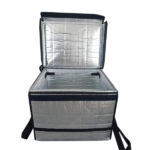
تبريد بالطاقة الشمسية وحاويات خفيفة الوزن – تعمل غرف التبريد الشمسية والثلاجات المحمولة على خفض تكاليف الطاقة ودعم المزارعين في المناطق التي لا يمكن الاعتماد عليها في الكهرباء. تعمل الحاويات المعزولة خفيفة الوزن المزودة بأجهزة استشعار مدمجة على تقليل وزن النقل مع الحفاظ على درجة الحرارة.
التعبئة والتغليف المستدامة وأنظمة كفاءة في استخدام الطاقة – مواد التعبئة والتغليف الصديقة للبيئة تلبي توقعات المستهلك وتقلل من النفايات. يمكن لأنظمة التبريد لاستعادة الطاقة وأنظمة التبريد ذات القدرة المنخفضة على الاحتباس الحراري أن تخفض الإنفاق على المرافق بأكثر من 40 %.
بناء سلسلة توريد متكاملة للخضروات العضوية
يتطلب تحويل نقل الخضروات الحيوية إصلاحات نظامية. وهنا استراتيجيات مجربة:
إنشاء مراكز التجميع والتعاونيات: يؤدي تجميع المنتجات في المراكز الإقليمية إلى تقليل طبقات المناولة وتقاسم تكاليف الشهادات والخدمات اللوجستية.
تعزيز نماذج المزارعين المباشرة للمستهلكين: يمكن للأسواق المجتمعية وخدمات الاشتراك أن تخفض أسعار المستهلك عن طريق 15-20 % وزيادة دخل المزارعين عن طريق 25-30 %.
الاستثمار في البنية التحتية لسلسلة التبريد: تعمل مراكز التنفيذ الصغيرة بالقرب من المناطق الحضرية على تقليل أوقات تسليم الميل الأخير والحفاظ على نضارتها.
استخدم وسائل نقل منخفضة الكربون: المركبات المبردة الكهربائية أو الشمسية وتحسين المسار تقلل من استهلاك الوقود.
اعتماد الممارسات المستدامة: أنظمة استعادة الطاقة, تعمل استراتيجيات التغليف القابلة لإعادة التدوير والحد من النفايات على تحسين الاستدامة وخفض التكاليف.
الاستفادة من الأدوات الرقمية والتعاون: يوفر برنامج سلسلة التوريد المتكامل رؤية شاملة, في حين يمكن للشراكات مع مقدمي الخدمات اللوجستية والجهات التنظيمية أن تطلق العنان للإعانات والدعم.
وضع معايير جودة الخضروات الحيوية ومسارات درجة الحرارة
الأعطال الشائعة والإصلاحات السريعة
تفشل الخضروات العضوية بطرق يمكن التنبؤ بها. جفاف يسبب يعرج الأوراق وفقدان الوزن, عادة بسبب انخفاض الرطوبة أو التدريج الدافئ. التكثيف يخلق الوحل والعفن عندما تحدث تقلبات في درجات الحرارة أو يتم إغلاق المنتجات الدافئة في البلاستيك. كدمات النتائج من التعامل الخام أو التراص.
نصائح عملية: قم بالتبريد مسبقًا بسرعة بعد الحصاد واحتفظ بالمنتج باردًا من خلال العبوة; الحد من التدريج الدافئ ل 15 دقائق; التعامل مع الخضار "مثل البيض" لتجنب الكدمات. تظهر أمثلة العالم الحقيقي أن تطبيق قاعدة "عدم التدريج الدافئ" والتحول إلى التغليف الواقي من الرطوبة يمكن أن يقلل بشكل كبير من الانكماش.
عناصر معيار جودة الخضروات الحيوية
معيار الجودة الجيد يحمي النضارة, السلامة العضوية وإثبات الامتثال عبر التخزين, النقل والاستلام. ويجيب على خمسة أسئلة:
كم هو بارد? تحديد درجة الحرارة الصحيحة لكل مجموعة خضروات.
كم هو رطب? اختر التغليف أو المناخات الدقيقة التي تخلق الرطوبة المناسبة.
كيف يتم التعامل معها? ضع حدودًا للوقت الخارج عن نطاق السيطرة, ارتفاع التراص والتسامح الاهتزاز.
كيف تم التحقق منها? إنشاء الشيكات, السجلات والتوثيق بالصور للحفاظ على إمكانية التتبع.
ماذا يحدث عندما تسوء الأمور? إنشاء بروتوكولات للتأخير ورحلات درجة الحرارة.
نموذج الطبقة الأربعة للسلامة العضوية
يمكن لنموذج بسيط من أربع طبقات أن يساعد الفرق على تنفيذ معايير الجودة بسرعة:
| طبقة | ما يمكنك التحكم فيه | ما تقيسه | فائدة عملية |
| نضارة | درجة حرارة, الرطوبة النسبية, يسكن الوقت | درجة حرارة اللب, وكلاء الرطوبة, نتائج العمر الافتراضي | عدد أقل من الخضر الذابلة |
| أمان | الصرف الصحي, التعامل مع الانضباط | فحوصات التنظيف, ملاحظات وقت السكن | أحداث تجاهل أقل |
| السلامة العضوية | الفصل ومنع التلوث | تسميات, العوائق وإجراءات التشغيل القياسية | يحمي المطالبة "الحيوية". |
| دليل | التتبع والرصد | رموز الكثير, الطوابع الزمنية للحدث | تحقيقات أسرع وامتثال أقوى |
تجميع الخضروات حسب كيفية فشلها
من غير العملي كتابة إجراءات تشغيل قياسية منفصلة لكل SKU. بدلاً من, قم بتجميع الخضروات حسب فئة المخاطر وضبط أولويات التعامل وفقًا لذلك:
| مجموعة الخضار | خطر نموذجي | أولوية التعامل | ضمنا |
| الخضر الورقية | الذبول والوحل | رطوبة عالية, التعامل اللطيف | أكبر سائق يتقلص |
| الأعشاب | الجفاف السريع وفقدان الرائحة | تحكم محكم في الرطوبة | يحمي المنتجات المتميزة |
| الكرنب (بروكلي, قرنبيط) | الاصفرار والجفاف | استقرار البرد وتدفق الهواء | العمر الافتراضي ينخفض بسرعة |
| الخضروات الجذرية (البطاطس, البصل) | التجفيف والجرجرة | توسيد ودرجة حرارة مستقرة | الخسائر الخفية لا تزال مكلفة |
| الخضار الثمرية الحساسة للبرد (طماطم, خيار) | إصابة تقشعر لها الأبدان إذا تم تخزينها باردة جدا | يحفظ عند درجة حرارة ≥10 درجة مئوية | يظهر الضرر لاحقًا |
نصائح لمنع فوضى الصناديق المختلطة: تجنب الشحن بالقرب من الخضروات المتجمدة مع الطماطم الحساسة للبرد في نفس الحجرة; استخدم تسميات بسيطة (الورقية/الأعشاب/البراسيكا/الجذور/حساسة للبرد) على الحاويات; تدريب الموظفين على الضربات المستقرة والصحيحة "الباردة جدًا".
ممرات درجة الحرارة: قلب نقل الخضروات الحيوية
إعداد درجة حرارة واحد لا يمكن أن يخدم كل الخضروات. ممرات درجة الحرارة جعل المعايير عملية من خلال تجميع المنتجات حسب درجات الحرارة المثلى.
| خط | منطق نقطة الضبط النموذجي | ما ينتمي هنا | أكبر خطر |
| لين أ: بالقرب من التجميد (0-2 درجة مئوية) مع ارتفاع RH | مصممة للخضر الورقية والعديد من الكرنب | الجفاف إذا كان التحكم بالرطوبة ضعيفاً | |
| لين ب: حساسة للبرد (≥10 درجة مئوية) | للطماطم, الخيار وغيرها من الخضار المثمرة | إصابة تقشعر لها الأبدان إذا تم وضعها في المسار A | |
| لين ج: حل وسط مربع مختلط | يُستخدم عندما يجب أن تسافر وحدات SKU المتعددة معًا | الجودة غير المتكافئة عبر المنتجات |
الضوابط التشغيلية تجعل الممرات حقيقية: قبل التبريد قبل التعبئة, الحد من وقت التدريج, فرض انضباط الباب وتسجيل أي انحرافات. أداة اتخاذ القرار السريع: إذا كانت حمولتك تحتوي على الطماطم أو الخيار, يستمر المسار أكثر من ساعتين أو لديك شكاوى متكررة من تليين اللون أو ظهور بقع عليه, تقسيم الممرات أو استخدام عبوات منفصلة.
رطوبة: الرافعة المخفية
التحكم في الرطوبة لا يقل أهمية عن درجة الحرارة. الجفاف الشديد يسبب الذبول; الرطب جدا يؤدي إلى الوحل. تجمع إرشادات التوافق الخاصة بمنظمة الأغذية والزراعة العديد من الخضروات 0-2 درجة مئوية التخزين مع رطوبة نسبية عالية جدا. توصي إرشادات التكنولوجيا القياسية 90-95 % الرطوبة النسبية للخضروات الطازجة و 95-100 % للخضر الورقية والأعشاب.
استراتيجية رطوبة بسيطة: استخدم البطانات وكثافة العبوة الصحيحة لتقليل الذبول; تجنب تقلبات درجات الحرارة لمنع الوحل; استنزاف العبوات واحتفظ بها في وضع مستقيم لمنع التجميع. انتبه لثلاثة محفزات للتكثيف: ختم المنتج الدافئ بالبلاستيك, نقل المنتجات من التدريج الدافئ إلى غرفة باردة دون تثبيت وفتح الأبواب بشكل متكرر.
الابتكارات التكنولوجية والممارسات المستدامة
الذكاء الاصطناعي والتحليلات التنبؤية
يُحدث الذكاء الاصطناعي ثورة في نقل الخضروات الحيوية. تعمل التحليلات التنبؤية على تحسين الطرق, توقع الطلب والجدول الزمني للصيانة, والتي يمكن أن تقلل من وقت التوقف عن العمل بنسبة تصل إلى 50 % وخفض تكاليف الإصلاح 10-20 %. في المستودعات, تتنبأ منصات الذكاء الاصطناعي بأعطال المعدات وتحسن إدارة المخزون. تعمل أنظمة التخزين الآلية على تعزيز السلامة وتقليل تكاليف العمالة.
Blockchain للتتبع والعقود الذكية
توفر تقنية Blockchain سجلات مقاومة للتلاعب لكل عملية تسليم منتج. من خلال التأكد من أن بيانات درجة الحرارة والرطوبة تصاحب كل معاملة, تعمل تقنية blockchain على بناء ثقة المستهلك وتلبية لوائح التتبع الصارمة. يمكن للعقود الذكية أتمتة المدفوعات وتقليل النزاعات, ضمان تعويض المزارعين والناقلين على الفور.
تمكين مراقبة إنترنت الأشياء
أجهزة إنترنت الأشياء تراقب درجة الحرارة, الرطوبة والموقع في الوقت الحقيقي. تتيح التنبيهات الفورية اتخاذ الإجراءات التصحيحية, منع التلف والنفايات. يعمل تكامل نظام تحديد المواقع العالمي (GPS) على ضبط مسارات حركة المرور والطقس, بينما تمنع الصيانة التنبؤية فشل المعدات.
التبريد بالطاقة الشمسية والمتجددة
توفر وحدات التخزين البارد التي تعمل بالطاقة الشمسية تبريدًا موثوقًا به في المناطق التي لا يمكن الاعتماد عليها بالكهرباء. أظهرت دراسة حالة في جنوب شرق آسيا أن الموزع الذي يستخدم التخزين البارد الذي يعمل بالطاقة الشمسية ومراقبة إنترنت الأشياء قد خفض تكاليف الطاقة من 13.10 سنتا لكل كيلوواط ساعة إلى 3.2 سنتا وحافظت على درجات حرارة منخفضة للغاية للقاحات. يمكن لأنظمة مماثلة للخضروات خفض فواتير الطاقة والحفاظ على الجودة. استخدام المبردات الطبيعية (co₂, الأمونيا أو الهيدروكربونات) ورفع درجات حرارة الفريزر إلى -15 درجة مئوية يمكن أن يوفر التوفير 10-15 % من الطاقة.
حاويات ذكية خفيفة الوزن وعبوات قابلة لإعادة الاستخدام
حاويات معزولة خفيفة الوزن ومجهزة بأجهزة استشعار تخفض وزن النقل وتقلل من استهلاك الوقود. إنها تدعم سلاسل التوريد الدائرية لأنه يمكن إعادة استخدامها عدة مرات. تعمل العبوات القابلة لإعادة التدوير وإعادة الاستخدام التي تفرضها اللوائح مثل توجيهات التغليف الخاصة بالاتحاد الأوروبي على تقليل النفايات وتقليل التكاليف على المدى الطويل.
الخدمات اللوجستية الخضراء وتحسين المسار
الاستدامة تتجاوز الغرف الباردة. يؤدي استخدام الذكاء الاصطناعي لتحسين المسار وتجميع الأحمال إلى تقليل استهلاك الوقود, انبعاثات الغازات الدفيئة ومواعيد التسليم. إن التحول إلى وسائل نقل منخفضة الكربون - السكك الحديدية أو البحر - يقلل من الانبعاثات, كما هو موضح في تقرير اليونيسف لشهر يوليو/تموز 2025 شحنة أكثر من 500 000 جرعات لقاح المكورات الرئوية عن طريق البحر: أدى التخطيط الدقيق للطريق إلى تقليل الانبعاثات بنسبة 90 % وخفض تكاليف الشحن بنسبة 50 % مقارنة بالشحن الجوي.
الاقتصاد الدائري والمبردات الطبيعية
تتبنى صناعة سلسلة التبريد مبادئ الاقتصاد الدائري. يؤدي تركيب الألواح الشمسية وتوربينات الرياح على معدات التخزين البارد والنقل إلى تقليل الانبعاثات وتكاليف الطاقة. إن التحول إلى المبردات الطبيعية ذات القدرة المنخفضة على الاحتباس الحراري والعمليات الموفرة للطاقة - مثل رفع درجات حرارة الفريزر إلى -15 درجة مئوية واستخدام الألواح المعزولة بالفراغ - يوفر 10-15 % من الطاقة. اللوجستية الخضراء (تحسين المسار القائم على الذكاء الاصطناعي, توحيد الأحمال, مراكز الوفاء الصغيرة) يقلل من آثار الكربون ويحسن موثوقية التسليم.
اتجاهات السوق و 2025 التوقعات
نمو سوق سلسلة التبريد
من المتوقع أن ينمو سوق لوجستيات سلسلة تبريد الأغذية العالمية دولار أمريكي 393.2 مليار في 2025 ل دولار أمريكي 1,632.6 مليار بواسطة 2035, وبمعدل نمو سنوي مركب (CAGR) ل 15.3 %. بين 2025 و 2030, ومن المتوقع أن يتضاعف السوق تقريبًا, الارتفاع إلى دولار أمريكي 798.5 مليار. تمثل تطبيقات الأطعمة والمشروبات تقريبًا 40 % من السوق, بينما تشكل خدمات النقل 45 %.
تقدر أبحاث السوق المثابرة أن سوق سلسلة تبريد الأغذية (جميع الأطعمة) يقف عند 65.8 مليار دولار أمريكي في 2025 وسوف تصل 205.3 مليار دولار أمريكي بواسطة 2032, النمو 17.5 % كل سنة. قطاع الخضار المجمدة وحده يستحق 57 مليار دولار أمريكي في 2025 ومن المتوقع أن تصل 102.3 مليار دولار أمريكي بواسطة 2035 (CAGR 6 %).
ديناميات الأسعار والعرض
وفقا للولايات المتحدة. خدمة البحوث الاقتصادية, ارتفعت أسعار التجزئة للخضروات الطازجة 2.8 % من يوليو 2025 إلى أغسطس 2025 وكانوا 2.9 % أعلى من العام السابق. أسعار الخضار على مستوى المزرعة, لكن, ومن المتوقع أن انخفاض بنسبة 14.1 % في 2025 بسبب تحسن الغلة واستقرار العرض. وهذا يخلق ضغطًا على المزارعين ولكنه يفيد المستهلكين. تظل منطقة آسيا والمحيط الهادئ أسرع أسواق سلسلة التبريد نموًا, من المتوقع أن تنمو 11 % بواسطة 2025
أنماط الاستهلاك تتغير: تحظى الخضروات المجمدة بشعبية كبيرة في البلدان المتقدمة بسبب أنماط الحياة المزدحمة, بينما تلحق الأسواق الناشئة بالركب مع تحسن البنية التحتية لسلسلة التبريد، فإن سوق المنتجات ذات القيمة المضافة - الخضروات الطازجة المقطعة والمواد المعدة مسبقًا - يمثل 15.4 % مبيعات المنتجات الطازجة في 2025. يمكن لأدوات التشغيل الآلي مثل أدوات الاستخلاص الآلية والمقشرات المعالجة 2 500 قطعة في الساعة, زيادة الكفاءة ولكنها تتطلب إدارة دقيقة لسلسلة التبريد.
مقاييس الاستدامة
توضح مقاييس الاستدامة الرئيسية الحاجة الملحة لتحسين نقل الخضروات الحيوية:
| متري | 2025 قيمة | تنبؤ بالمناخ / تأثير | أهمية عملية |
| السوق العالمية للوجستيات سلسلة التبريد | 436 مليار دولار أمريكي | من المتوقع أن يتجاوز 1.36 تريليون دولار أمريكي بواسطة 2034 | يسلط الضوء على فرص الاستثمار السريع في البنية التحتية |
| سوق سلسلة تبريد الأغذية | 65.8 مليار دولار أمريكي | من المتوقع أن تصل 205.3 مليار دولار أمريكي 2032 في 17.5 % CAGR | يظهر الطلب القوي عبر فئات المواد الغذائية |
| سوق الخضار المجمدة | 57 مليار دولار أمريكي | توقعات للوصول 102.3 مليار دولار أمريكي 2035 في 6 % CAGR | يشير إلى فرص النمو للمعالجين وتجار التجزئة |
| فقد الطعام بسبب عدم وجود سلسلة التبريد | 12 % (526 مليون طن)12 ,td” > | يكفي لإطعام 1 مليار شخص | يؤكد الحاجة الاجتماعية والأخلاقية للاستثمار |
| حصة سلسلة التبريد من انبعاثات غازات الدفيئة العالمية | 4 %4 ,من الكهرباء العالمية</td” > | حسابات استهلاك الطاقة ل 17 % من الكهرباء العالمية4 ,من الكهرباء العالمية</td” > | التركيز على كفاءة الطاقة والطاقة المتجددة |
نصائح وإرشادات عملية
أداة التقييم الذاتي السريع
رسم خريطة لسلسلة التوريد الخاصة بك. تحديد أماكن انتظار المنتجات أو انتقالها دون داعٍ; نقاط التوقف الإضافية تشير إلى عدم الكفاءة.
تتبع معدلات التلف. إذا أكثر من 40 % يتم التخلص من المنتجات العضوية, الاستثمار في تبريد أفضل.
تدقيق استهلاك الطاقة. مقارنة فواتير الكهرباء والوقود مع معايير الصناعة; قد تشير التكاليف المرتفعة إلى معدات قديمة.
تقييم تكاليف الشهادة. انضم إلى التعاونيات لتقاسم الرسوم وتبسيط الامتثال.
التحقق من أطوال الطريق. استخدم مخططي مسارات الذكاء الاصطناعي لتقصير المسافات وتقليل التعرض لتقلبات درجات الحرارة.
توصيات قابلة للتنفيذ
قبل أن تبرد بسرعة: استخدم مبردات الانفجار أو تبريد الهواء القسري مباشرة بعد الحصاد. التبريد البطيء يسمح بتكوين بلورات الثلج, إتلاف بنية الخلية.
استخدم التغليف المناسب: حاويات الرغوة المعزولة, تحافظ الأكياس محكمة الغلق وحزم الجل على درجة الحرارة.
مراقبة الرطوبة: الرطوبة المتوازنة تمنع الذبول والتكثيف. تسمح الأفلام القابلة للتنفس بتبادل الغازات مع الاحتفاظ بالرطوبة.
تثبيت أجهزة الاستشعار: توفر أجهزة تسجيل إنترنت الأشياء بيانات مستمرة وتنبه المشغلين إلى الانحرافات.
خطة التحميل والتفريغ: تقلل عمليات النقل السريعة من التعرض لدرجات الحرارة المحيطة.
لديك قوة احتياطية: تحافظ المولدات أو أنظمة البطاريات على تشغيل التبريد أثناء انقطاع التيار الكهربائي.
التعاون مع الموردين: بناء علاقات طويلة الأمد ومشاركة الموارد للتفاوض على أسعار أفضل.
تنفيذ المخزون في الوقت المناسب: اضبط مستويات المخزون بناءً على توقعات الطلب لتقليل تكاليف التخزين والنفايات.
استخدم التنبؤ بالطلب المدعوم بالذكاء الاصطناعي: يمكن لخوارزميات التعلم الآلي أن تقلل من نفاد المخزون وتكديسه, خفض التكاليف اللوجستية بأكثر من 34 %.
اعتماد الطاقة المتجددة: يعمل التبريد بالطاقة الشمسية والمركبات الكهربائية على تقليل نفقات التشغيل على المدى الطويل.
دراسة حالة: قدمت تعاونية أوروبية للخضروات العضوية تحسين مسار الذكاء الاصطناعي وأجهزة استشعار إنترنت الأشياء عبر شبكة التوزيع الخاصة بها. من خلال دمج عمليات التسليم ومراقبة درجة الحرارة في الوقت الحقيقي, خفضت التعاونية استهلاك الوقود بنسبة 20 %, خفض معدلات التلف بنسبة 15 % وخفض التكاليف اللوجستية الإجمالية بنسبة 18 %. مكنت هذه المدخرات المجموعة من خفض أسعار التجزئة وجذب عملاء جدد.
2025 أحدث التطورات والاتجاهات
مبادرات وبروتوكولات الصناعة
في يوليو 2025 التحالف العالمي لسلسلة التبريد (دول مجلس التعاون الخليجي) والمعهد الأمريكي للأغذية المجمدة (أفي) صدر أ بروتوكول جديد لتوحيد مراقبة درجة الحرارة عبر سلسلة توريد الأغذية المجمدة. يوفر البروتوكول موحدة, نهج يعتمد على البيانات لتتبع تقلبات درجات الحرارة من الإنتاج إلى التوزيع. ويهدف إلى تحسين الكفاءة التشغيلية, تعزيز سلامة الأغذية والحد من استخدام الطاقة وانبعاثات الغازات الدفيئة.
دكتور. ويشير سانجاي جومالا من AFFI إلى أن إنشاء إطار مشترك لرصد التغيرات في درجات الحرارة يضع الأساس لمستقبل أكثر استدامة. وتشمل الميزات الرئيسية تحديد نقاط المراقبة الهامة, أفضل الممارسات لجمع البيانات وإنشاء قياسات أساسية للتحسينات المستقبلية. تشمل فوائد الصناعة فهمًا أفضل للاختلافات, ومعالجة الانحرافات ودعم مبادرات تحسين استهلاك الطاقة.
التقنيات الناشئة
تستخدم سلسلة التبريد الأدوات المتطورة:
بروتوكولات المراقبة الموحدة: ويضمن جمع البيانات الموحدة معالجة الانحرافات في درجات الحرارة على الفور.
شبكات الطاقة المتجددة الدقيقة: مرافق التخزين البارد تدمج الطاقة الشمسية, أنظمة الرياح والبطاريات لتقليل الانبعاثات وتحسين المرونة.
المركبات التجارية الخفيفة (المركبات التجارية الخفيفة): النمو في المركبات التجارية الخفيفة المبردة يوفر كفاءة في استهلاك الوقود, نقل منخفض التكلفة لتسليم الميل الأخير.
الأتمتة والروبوتات: تعمل الحصادات الآلية وخطوط التعبئة الآلية على تقليل تكاليف العمالة وضمان الجودة المتسقة, تحضير المنتجات لسلسلة التبريد.
مراكز الوفاء الصغيرة: تعمل هذه المستودعات الحضرية الصغيرة على تقصير مسافات التسليم والحفاظ على سلامة درجة الحرارة.
الضغط التنظيمي: قوانين مثل كاليفورنيا س.ب 1383 تتطلب أ 75 % الحد من النفايات العضوية, دفع تجار التجزئة إلى الاستثمار في التخزين الجوي المتحكم به وأجهزة الاستشعار المتقدمة.
الأسئلة المتداولة
س 1: لماذا تعتبر سلسلة التبريد مهمة للخضروات الحيوية؟?
الحفاظ على درجة الحرارة والرطوبة يمنع التلف وفقدان العناصر الغذائية. بدون تبريد, حتى 40 % من الخضروات الحيوية يمكن أن تفسد أثناء النقل. ممارسات سلسلة التبريد المناسبة تضمن الجودة, تقليل النفايات وتحسين سلامة الأغذية.
Q2: كيف يمكن لصغار المزارعين تحمل تكاليف تكنولوجيا سلسلة التبريد؟?
ويمكن لصغار المزارعين تشكيل تعاونيات لتقاسم الشهادات, تكاليف التخزين والنقل. تعمل منصات التسويق المباشر والأسواق المجتمعية على زيادة الأرباح بنسبة 25-30 %, في حين أن غرف التبريد التي تعمل بالطاقة الشمسية والإعانات تعمل على تقليل حاجز الدخول.
س 3: ما هي ممرات درجة الحرارة ولماذا هي مهمة?
تقوم ممرات درجة الحرارة بتجميع الخضروات حسب درجات حرارة تخزينها المثالية. يبقى المسار A بالقرب من الخضر المتجمدة عند 0-2 درجة مئوية, يحافظ المسار B على العناصر الحساسة للبرودة ≥10 درجة مئوية والخط C بمثابة منطقة تسوية. يؤدي استخدام المسار الخاطئ إلى الإصابة بالجفاف أو الإصابة بالقشعريرة.
س 4: كيف يؤثر التحكم في الرطوبة على الخضروات العضوية?
الرطوبة هي الرافعة الخفية; تحتاج الخضار الطازجة 90-95 % الرطوبة النسبية والخضر الورقية تتطلب 95-100 %. الجفاف الشديد يسبب الذبول; الرطب جدا يسبب الوحل. الرطوبة المتوازنة تضمن هشاشة وتمنع العفن.
س 5: ما هي التقنيات التي تقلل من تكاليف سلسلة التبريد؟?
تحسين مسار الذكاء الاصطناعي, blockchain, مستشعرات إنترنت الأشياء, التبريد بالطاقة الشمسية والتعبئة المستدامة كلها تعمل على تقليل التكاليف والنفايات. يمكن أن يؤدي تخطيط مسار الذكاء الاصطناعي إلى خفض التكاليف اللوجستية 34 %, في حين أن التبريد بالطاقة الشمسية يخفض فواتير الطاقة.
ملخص وتوصيات
الوجبات الرئيسية: تحافظ وسائل نقل الخضروات الحيوية الحديثة على المنتجات العضوية طازجة باستخدام ممرات درجة حرارة دقيقة, التحكم في الرطوبة والمراقبة الرقمية. تشمل محركات التكلفة رسوم الشهادة, لوجستيات مجزأة ومعدات كثيفة الاستخدام للطاقة, لكن الحلول التكنولوجية مثل الذكاء الاصطناعي, blockchain, يمكن لإنترنت الأشياء والطاقة المتجددة خفض التكاليف بأكثر من 30 %. إن وضع معايير جودة واضحة وممرات درجة الحرارة يمنع حدوث أعطال شائعة مثل الجفاف, التكثيف والكدمات. يتوسع سوق سلسلة التبريد العالمية بسرعة, خلق فرص للاستثمار والابتكار. الاستدامة هي الأولوية: تعمل العمليات الموفرة للطاقة والمبردات الطبيعية على خفض الانبعاثات والامتثال للوائح الصارمة.
خطة العمل:
قم بتقييم سلسلة التبريد الحالية لديك: خريطة كل خطوة, تتبع التلف واستخدام الطاقة القياسي.
تنفيذ الذكاء الاصطناعي وإنترنت الأشياء: اعتماد تحسين المسار, التنبؤ بالطلب ورصده في الوقت الحقيقي.
إنشاء ممرات درجة الحرارة: فصل العناصر الحساسة للبرودة عن المنتجات القريبة من التجميد وفرض معايير الرطوبة.
الاستثمار في الطاقة المتجددة: تركيب أجهزة تبريد تعمل بالطاقة الشمسية واستخدام المركبات الكهربائية أو الهجينة.
التعاون والدعوة: تشكيل التعاونيات, الشراكة مع مقدمي الخدمات اللوجستية والضغط من أجل الإعانات والسياسات الداعمة.
من خلال اتباع هذه الخطوات, يمكنك تقليل النفايات, تكاليف أقل وتقديم أعذب, منتجات عضوية أكثر أمانًا لعملائك.
حول Tempk
من نحن: Tempk هي شركة عالمية رائدة في مجال تكنولوجيا سلسلة التبريد. نحن نطور معدات التبريد الموفرة للطاقة, تعمل أنظمة مراقبة إنترنت الأشياء والذكاء الاصطناعي على تمكين برامج سلسلة التوريد من الحفاظ على سلامة البضائع القابلة للتلف من المزرعة إلى المائدة. ابتكاراتنا تساعد المزارعين, الموزعون وتجار التجزئة يقللون من النفايات, انخفاض تكاليف التشغيل وتلبية اللوائح البيئية الصارمة.
دعوة إلى العمل: لتحسين سلسلة تبريد الخضروات الحيوية لديك, استشر تيمبك. يمكن لخبرائنا تصميم حلول مخصصة - بدءًا من التخزين البارد الذي يعمل بالطاقة الشمسية وحتى تحسين مسار الذكاء الاصطناعي - والتي تجعل الخضروات العضوية والحيوية أكثر سهولة وبأسعار معقولة.